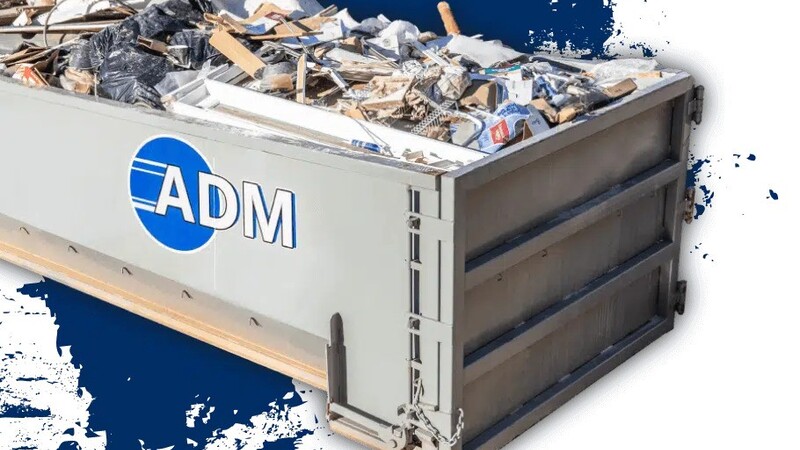
Modern urban environments face a growing challenge in managing waste responsibly while promoting sustainability. Among the most effective strategies for addressing this issue is the use of transfer stations—centralized facilities where waste is temporarily held before being sorted, processed, or transported to its final destination. For those searching for effective recycling and waste management options, the Waste Transfer Station Atlanta, GA, plays a crucial role in supporting efficient recycling solutions that benefit local communities in multiple ways.
Streamlining Waste Collection and Sorting
A key function of a waste transfer station is to streamline the collection and sorting of materials. Instead of hauling waste directly from every neighborhood to distant landfills or recycling centers, local haulers bring their loads to a central transfer station. Here, materials are consolidated, allowing for more efficient transportation. This process reduces the number of trips needed, saving fuel and lowering emissions.
Within the facility, waste is often separated into different streams. Recyclables such as plastics, metals, paper, and cardboard are identified and set aside for further processing. By centralizing sorting operations, transfer stations ensure that a greater portion of recyclable materials are recovered, reducing the amount of waste sent to landfills and conserving valuable resources.
Enhancing Recycling Rates and Community Participation
Transfer stations not only improve operational efficiency but also play a significant role in boosting local recycling rates. Many facilities offer designated drop-off points for residents and businesses to bring items that are difficult to recycle curbside, such as electronics, appliances, and hazardous materials. This accessibility encourages greater public participation in recycling programs.
Key benefits include:
- Convenient drop-off locations: Residents have a single point for disposing of various recyclable materials.
- Educational outreach: Many transfer stations provide information on proper sorting, recycling guidelines, and environmental impact, helping to foster a culture of sustainability.
- Support for local recycling initiatives: By partnering with community programs, transfer stations can help organize collection drives or special recycling events, further increasing the volume of materials diverted from landfills.
Reducing Environmental Impact
The environmental advantages of a waste transfer station are significant. By optimizing collection routes and consolidating loads, transfer stations help decrease greenhouse gas emissions associated with waste transportation. Additionally, by diverting recyclable and compostable materials from the waste stream, these facilities reduce the burden on local landfills and help conserve natural resources.
Transfer stations also often implement best practices for environmental management, such as:
- Stormwater controls to prevent runoff contamination
- Dust and odor management to maintain air quality
- Energy-efficient operations to minimize resource consumption
These measures contribute to cleaner, healthier communities and support broader sustainability goals.
Supporting Local Economic Growth
Beyond environmental benefits, transfer stations can also have a positive economic impact on local communities. By facilitating the recovery of recyclable materials, these facilities support local recycling industries and create job opportunities related to sorting, processing, and transportation. Efficient waste management infrastructure also attracts businesses seeking sustainable practices, further enhancing community development.
In summary, the role of a waste transfer station in Atlanta, GA, extends far beyond simple waste collection. By centralizing and optimizing the sorting, transportation, and recycling of materials, these facilities support efficient recycling solutions that benefit both the environment and the local economy. As communities continue to prioritize sustainability, transfer stations will remain an essential part of responsible waste management strategies.