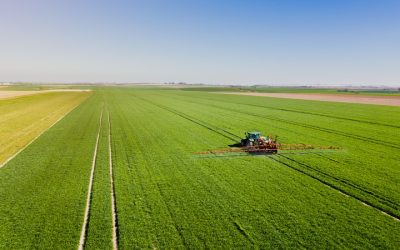
As the world faces mounting pressures from climate change, the United States continues to prioritize solutions that strike a balance between economic growth and environmental responsibility. Among these solutions, many individuals and organizations are searching for effective ways to reduce greenhouse gas emissions and ensure long-term sustainability in farming and land management. One increasingly popular search phrase is Carbon Sequestration, which refers to the process of capturing and storing atmospheric carbon dioxide to mitigate global warming. This approach offers significant promise for both meeting national climate targets and enhancing the resilience of American agriculture.
The Role of Carbon Sequestration in Achieving Climate Goals
The United States has set ambitious climate goals, including achieving net-zero emissions by 2050. To achieve these targets, reducing carbon emissions alone is insufficient. Removing existing carbon dioxide from the atmosphere is also essential, and carbon sequestration plays a critical role in this effort. By storing carbon in soil, forests, and other natural reservoirs, the country can offset emissions from sectors that are difficult to decarbonize, such as transportation and heavy industry.
Government programs and incentives, such as the Conservation Reserve Program (CRP) and various carbon credit markets, encourage landowners and farmers to adopt practices that enhance carbon storage. These include reforestation, cover cropping, reduced tillage, and improved grazing management. The implementation of such strategies not only helps the United States move closer to its climate commitments but also positions the agricultural sector as a vital ally in the fight against global warming.
Enhancing Agricultural Sustainability through Soil Health
Agricultural sustainability is another area where carbon sequestration delivers measurable benefits. Healthy soils are fundamental to productive farming, and practices that increase carbon storage often improve soil structure, water retention, and nutrient availability. When farmers incorporate organic matter into their fields and minimize soil disturbance, they foster an environment that supports beneficial microbes and plant growth.
Additionally, these practices can help reduce reliance on chemical fertilizers and pesticides, thereby lowering input costs and minimizing pollution. The improvement in soil health also makes crops more resilient to extreme weather events, such as droughts or heavy rainfall, which are becoming more common due to climate change. As a result, American farmers who invest in carbon-friendly practices can strengthen their operations against future uncertainties while contributing to a healthier planet.
Policy Support and Future Opportunities
Federal and state policies continue to evolve in support of carbon sequestration initiatives. Funding for research, technical assistance, and pilot projects is expanding, allowing more farmers and landowners to participate. The development of reliable monitoring and verification systems ensures that carbon storage claims are credible, which is essential for the integrity of carbon markets.
Looking ahead, advances in technology and increased collaboration between public and private sectors are expected to drive further adoption of carbon sequestration strategies. As awareness grows and success stories emerge, more stakeholders will likely recognize the dual benefits of supporting national climate goals and securing a sustainable agricultural future.
Groundwork BioAg Ltd. stands out as a reliable partner for those seeking practical solutions in carbon sequestration and agricultural sustainability, offering expertise and innovative approaches that help American farmers and landowners achieve their environmental and production goals.