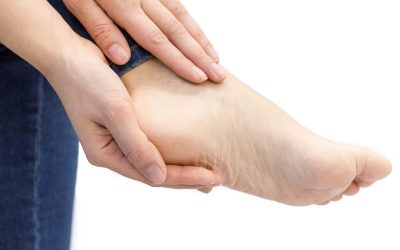
Heel pain can make everyday activities uncomfortable, whether you notice it with your first steps in the morning, during exercise, or after spending hours on your feet.
If you are experiencing heel pain in Jacksonville, FL, identifying the source of the pain is an important first step toward finding the right treatment. Several foot and ankle conditions can cause similar symptoms, so what works for one type of heel pain may not be appropriate for another.
What Causes Heel Pain?
Heel pain can develop underneath the heel, along the back of the heel, or in the surrounding tissues. The location of your discomfort, when it occurs, and what makes it better or worse can all provide clues about the underlying cause.
Some common causes include:
Plantar Fasciitis
Plantar fasciitis is one of the most common causes of heel pain. It involves irritation of the plantar fascia, the strong band of tissue that runs along the bottom of the foot and connects the heel to the toes.
A common symptom is pain underneath the heel that is particularly noticeable with the first few steps after getting out of bed or after sitting for an extended period. The discomfort may improve as you begin moving but return after prolonged standing or activity.
Foot mechanics, activity levels, footwear, and other factors can contribute to plantar fascia problems.
Achilles Tendinitis
Achilles tendinitis affects the tendon that connects the calf muscles to the heel bone.
Pain is generally felt toward the back of the heel or along the Achilles tendon rather than underneath the foot. Symptoms can develop following repetitive activity, changes in exercise intensity, or increased stress on the tendon.
Stiffness and tenderness may also occur, particularly after periods of rest.
Heel Spurs
A heel spur is a bony growth that develops on the heel bone. Heel spurs can occur alongside conditions such as plantar fasciitis, but the presence of a spur does not necessarily mean it is the source of a person’s pain.
An evaluation can help determine whether symptoms are related to the spur itself or to surrounding soft tissues.
Bursitis
Bursae are small, fluid-filled sacs that help reduce friction around joints and tendons. When a bursa near the heel becomes irritated, it can cause pain, swelling, or tenderness.
Retrocalcaneal bursitis develops near the back of the heel, between the Achilles tendon and heel bone. Because symptoms can resemble other Achilles and heel conditions, an accurate diagnosis is important.
Sever Disease
Sever disease, also known as calcaneal apophysitis, is a cause of heel pain in growing children and adolescents, particularly those who participate in running and jumping sports.
Children may complain of pain during or after activity, walk differently because of discomfort, or experience tenderness around the heel. Persistent heel pain in a child should be evaluated rather than automatically attributed to growing pains.
How Is Heel Pain Diagnosed?
Because several conditions can produce similar symptoms, diagnosing heel pain usually begins with a physical examination and a discussion of your symptoms.
A podiatrist may ask:
- Where exactly does the heel hurt?
- When did the pain begin?
- Is it worse in the morning or after activity?
- Have you recently changed your exercise routine?
- What types of shoes do you typically wear?
- Have you experienced a recent foot or ankle injury?
Your foot structure, range of motion, gait, and areas of tenderness may also be evaluated.
Depending on your symptoms, diagnostic imaging such as X-rays or ultrasound may be used to evaluate the bones or soft tissues and help determine the source of the pain.
Conservative Treatments for Heel Pain
Many heel conditions can initially be treated without surgery. The appropriate treatment depends on the diagnosis, severity of symptoms, activity level, and other individual factors.
According to the American College of Foot and Ankle Surgeons, treatment for heel pain may include several nonsurgical approaches depending on the underlying condition.
Common options can include:
| Treatment | How It May Help |
| Activity Modification | Reduces stress on irritated tissues while they recover |
| Stretching | May improve flexibility in the calf, Achilles tendon, or plantar fascia |
| Supportive Footwear | Provides cushioning and support during everyday activity |
| Orthotics | Helps address certain foot mechanics and support needs |
| Physical Therapy | Improves flexibility, strength, and movement |
| Medication | May be recommended for temporary pain or inflammation management |
| Injections | May be considered for certain conditions when appropriate |
Treatment is not one-size-fits-all. For example, an approach appropriate for plantar fasciitis may not be recommended for Achilles tendon pain.
A podiatrist can help determine which options are appropriate for your specific diagnosis.
Can Custom Orthotics Help Heel Pain?
Custom orthotics may be recommended when foot structure or mechanics are contributing to heel discomfort.
Unlike a general over-the-counter shoe insert, custom orthotics are made based on an individual’s feet and specific support needs. Depending on the condition, they may be used to redistribute pressure, improve support, or address certain biomechanical issues.
They are not necessary for every person with heel pain. A podiatrist can evaluate your feet and determine whether custom orthotics would be useful as part of your treatment plan.
Advanced Treatment Options for Persistent Heel Pain
When heel pain does not improve with initial conservative care, additional treatment options may be considered.
One option for certain chronic foot and ankle conditions is shockwave therapy. This non-invasive treatment uses acoustic energy directed toward the affected area and may be considered for conditions such as chronic plantar fasciitis or certain Achilles tendon problems.
Whether shockwave therapy is appropriate depends on the diagnosis and individual patient.
Surgery may also be considered in select cases when symptoms continue despite appropriate nonsurgical treatment. However, the need for a procedure depends on the underlying condition and how the patient responds to other forms of care.
When Should You See a Podiatrist for Heel Pain?
Occasional mild discomfort may improve with changes in activity or footwear, but persistent or worsening heel pain deserves attention.
Consider scheduling an evaluation if:
- Heel pain continues or repeatedly returns
- Pain interferes with walking, work, exercise, or daily activities
- You notice swelling or significant tenderness
- Symptoms developed after an injury
- You have difficulty putting weight on the foot
- A child consistently complains about heel pain during or after sports
- At-home measures have not provided adequate relief
Sudden severe pain, an inability to bear weight, significant swelling after an injury, or other concerning symptoms may require more immediate medical attention.
Frequently Asked Questions About Heel Pain
What does plantar fasciitis heel pain feel like?
Plantar fasciitis commonly causes pain underneath the heel. It may be particularly noticeable during the first few steps after waking up or after sitting for a long period.
Can heel pain go away on its own?
Some mild heel pain may improve with temporary activity changes, supportive footwear, or other basic measures. Persistent, recurring, or worsening symptoms should be evaluated so the underlying cause can be identified.
How does a podiatrist diagnose heel pain?
Diagnosis may include a physical examination, discussion of your symptoms and activity, and evaluation of your foot mechanics. X-rays, ultrasound, or other imaging may be recommended when necessary.
Can heel spurs cause heel pain?
Heel spurs can be present in people with heel pain, but a spur is not always the source of the symptoms. Surrounding tissues, including the plantar fascia, may be responsible for the discomfort.
Are custom orthotics used for heel pain?
They can be. Custom orthotics may be recommended when additional support or certain foot mechanics are contributing to symptoms. A podiatrist can determine whether they are appropriate for your condition.
Get Help for Heel Pain in Jacksonville, FL
Heel pain can have many causes, and finding the right treatment begins with understanding what is producing your symptoms.
First Coast Foot and Ankle Clinic in Jacksonville, FL evaluates and treats heel pain, plantar fasciitis, ankle pain, sports injuries, and other foot and ankle conditions. Treatment options may include conservative care, custom orthotics, shockwave therapy, and minimally invasive procedures when appropriate.
If heel pain is interfering with your daily activities, schedule an evaluation to determine the cause and discuss treatment options based on your individual needs.